
388 9th St., Ste 157
Oakland, CA 94607
How Screen Time Affects Childhood Myopia
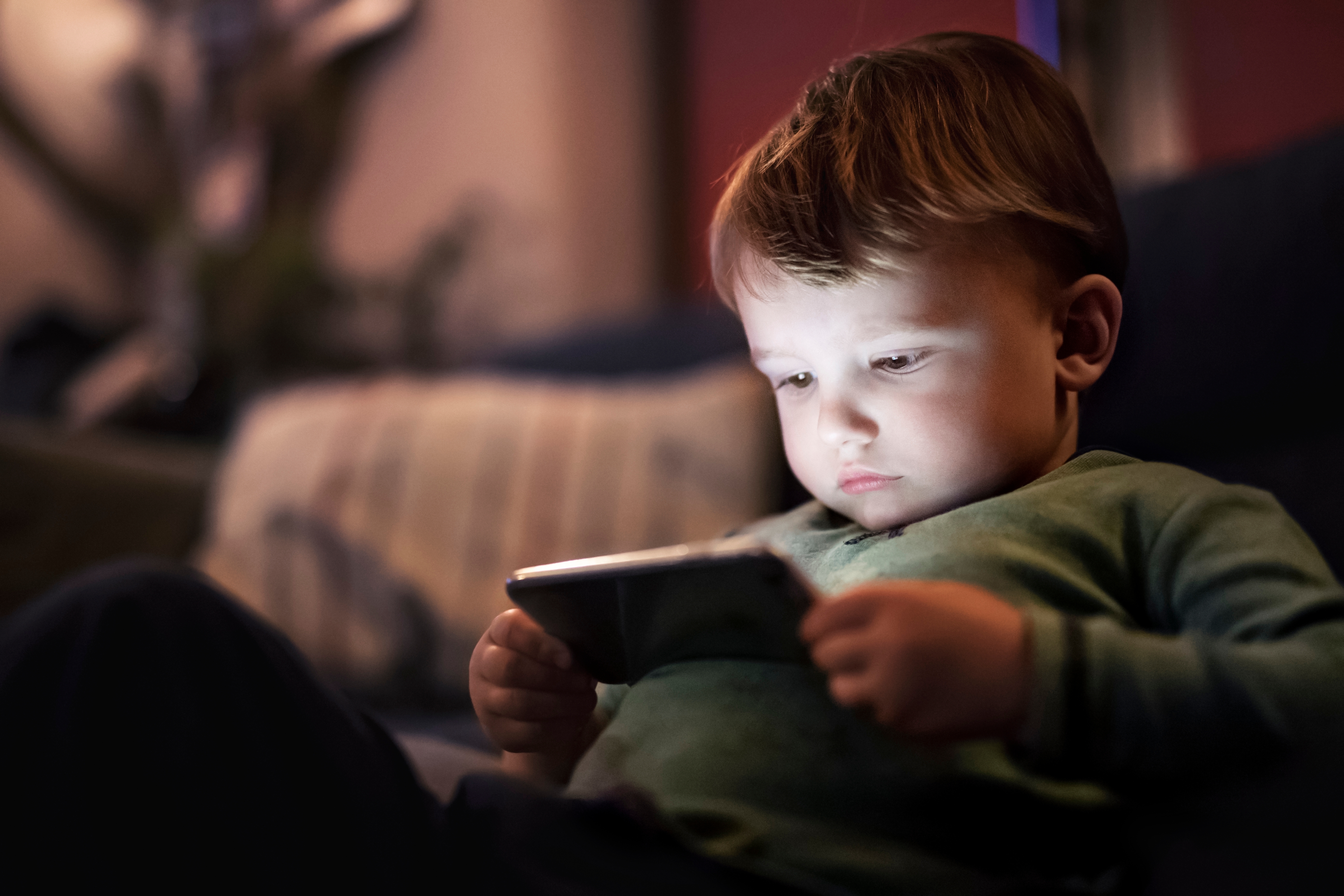
Screen time is part of daily life for many children, from schoolwork and reading to games, tablets, and phones. While screens do not directly cause every case of childhood myopia, long periods of close-up focus can contribute to eye strain and may play a role in myopia progression, especially when children spend less time outdoors.
What Is Childhood Myopia?
Myopia, or nearsightedness, means a child can see nearby objects clearly but has trouble seeing things far away. This can make it harder to read the board at school, recognize faces from a distance, or participate comfortably in sports and other activities.
Myopia often begins during childhood and can continue to progress as the eyes grow. The earlier it starts, the more important it is to monitor changes over time and consider myopia management when needed.
How Screen Time May Affect Myopia
When children spend long stretches focusing up close, their eyes work harder to maintain clear near vision. This is especially common with phones and tablets because children may hold them very close to their face. Extended near work, limited breaks, and reduced outdoor time can all contribute to visual stress.
Common habits that may increase concern include:
- Holding screens very close to the eyes
- Using devices for long periods without breaks
- Spending little time outdoors each day
- Squinting to see far away after screen use
- Complaining of headaches, tired eyes, or blurry distance vision
These signs do not always mean a child’s prescription has changed, but they are good reasons to schedule a pediatric eye exam.
Why Kids Need More Time Outdoors
Outdoor time is an important part of healthy visual development. Natural light and distance viewing give the eyes a break from near focus. Many children today spend more time indoors on digital devices, which can reduce the balance their eyes need throughout the day.
Encouraging regular outdoor play, screen breaks, and healthy viewing distances can support better visual comfort. However, lifestyle changes alone may not be enough if myopia is already progressing.
Myopia Management Treatment Options
At East Bay Vision Center Optometry, myopia management is designed to help slow the progression of nearsightedness in children. It may be time to consider treatment if your child’s prescription is changing, they are becoming nearsighted at a young age, or there is a family history of myopia. This approach is personalized based on the child’s age, prescription, eye health, lifestyle, and how quickly their myopia is changing.
Myopia management options may include Stellest Lenses, Ortho-K, multifocal soft contact lenses, and atropine eye drops. Stellest Lenses are specially designed eyeglass lenses for myopia control. Ortho-K lenses are worn overnight to gently reshape the cornea while the child sleeps. Multifocal soft contact lenses can help manage how light focuses in the eye during the day. Atropine eye drops may also be recommended as part of a customized plan.
When to Schedule an Eye Exam
Children may not always realize their vision has changed, especially if they think blurry distance vision is normal. A comprehensive eye exam can check their prescription, eye alignment, focusing ability, and overall eye health. If your child is squinting, moving closer to screens, struggling to see far away, or has a family history of myopia, it may be time to discuss myopia management with our eye doctors.
Schedule a pediatric eye exam at East Bay Vision Center Optometry to discuss your child’s screen time, check for signs of nearsightedness, and explore personalized myopia management options. Visit our office in Oakland, Fremont, or Pleasanton, California. Please call (510) 268-9600, (510) 796-9600, or (925) 462-1100 today.





Oakland
(510) 268-1608
- Monday 9:30am - 5:30pm
- Tuesday 9:30am - 5:30pm
- Wednesday 9:30am - 5:30pm
- Thursday 9:30am - 5:30pm
- Friday 9:30am - 5:30pm
- Saturday 9:30am - 5:30pm
- Sunday Closed
Fremont
(510) 796-9600
(510) 796-9691
- Monday Closed
- Tuesday 10:00am - 6:00pm
- Wednesday 10:00am - 6:00pm
- Thursday 10:00am - 6:00pm
- Friday 10:00am - 6:00pm
- Saturday 10:00am - 6:00pm
- Sunday Closed
Pleasanton
(925) 462-6600
- Monday 10:00am - 5:30pm
- Tuesday 10:00am - 5:30pm
- Wednesday 10:00am - 5:30pm
- Thursday 10:00am - 5:30pm
- Friday 10:00am - 5:30pm
- Saturday 10:00am - 5:30pm
- Sunday Closed
© 2026 East Bay Vision Center Optometry, Inc. All rights Reserved - Accessibility Statement - Privacy Policy - Sitemap
Powered by
