


388 9th St., Ste 157
Oakland, CA 94607

Blog list
East Bay Vision Center Optometry, Inc Blog
Learn more about optometrist care in our blog!
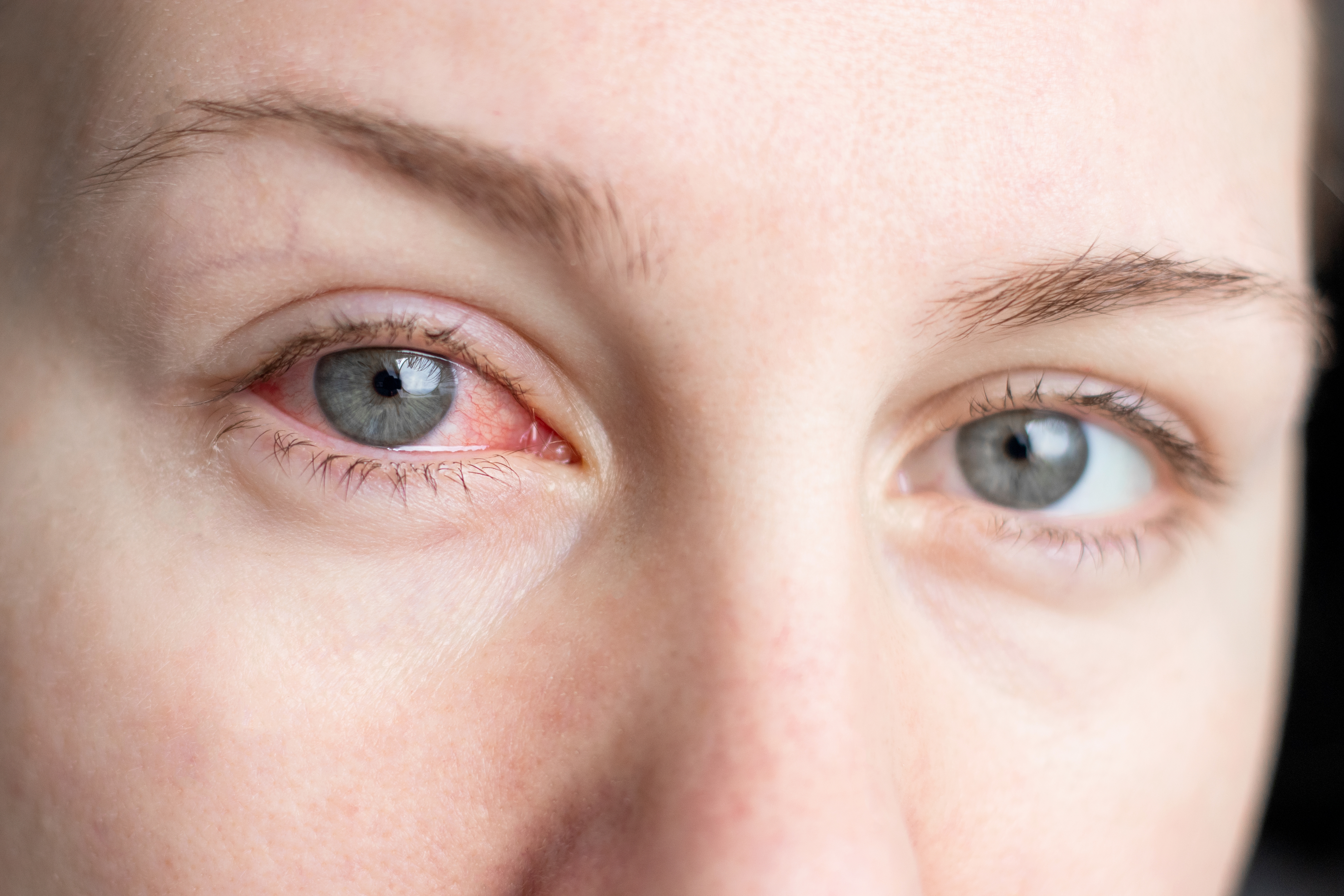
Dry eye is not always caused by a lack of tears. For many patients, the problem begins with inflammation and meibomian gland dysfunction, or MGD. When these oil-producing glands become blocked or inflamed, tears can evaporate too quickly, leaving the eyes dry, gritty, irritated, or uncomfortable. At East Bay Vision Center Optometry, we offer IPL for dry eyes as an advanced approach to addressing inflammation associated with MGD and ocular rosacea rather than focusing only on temporary surface relief.
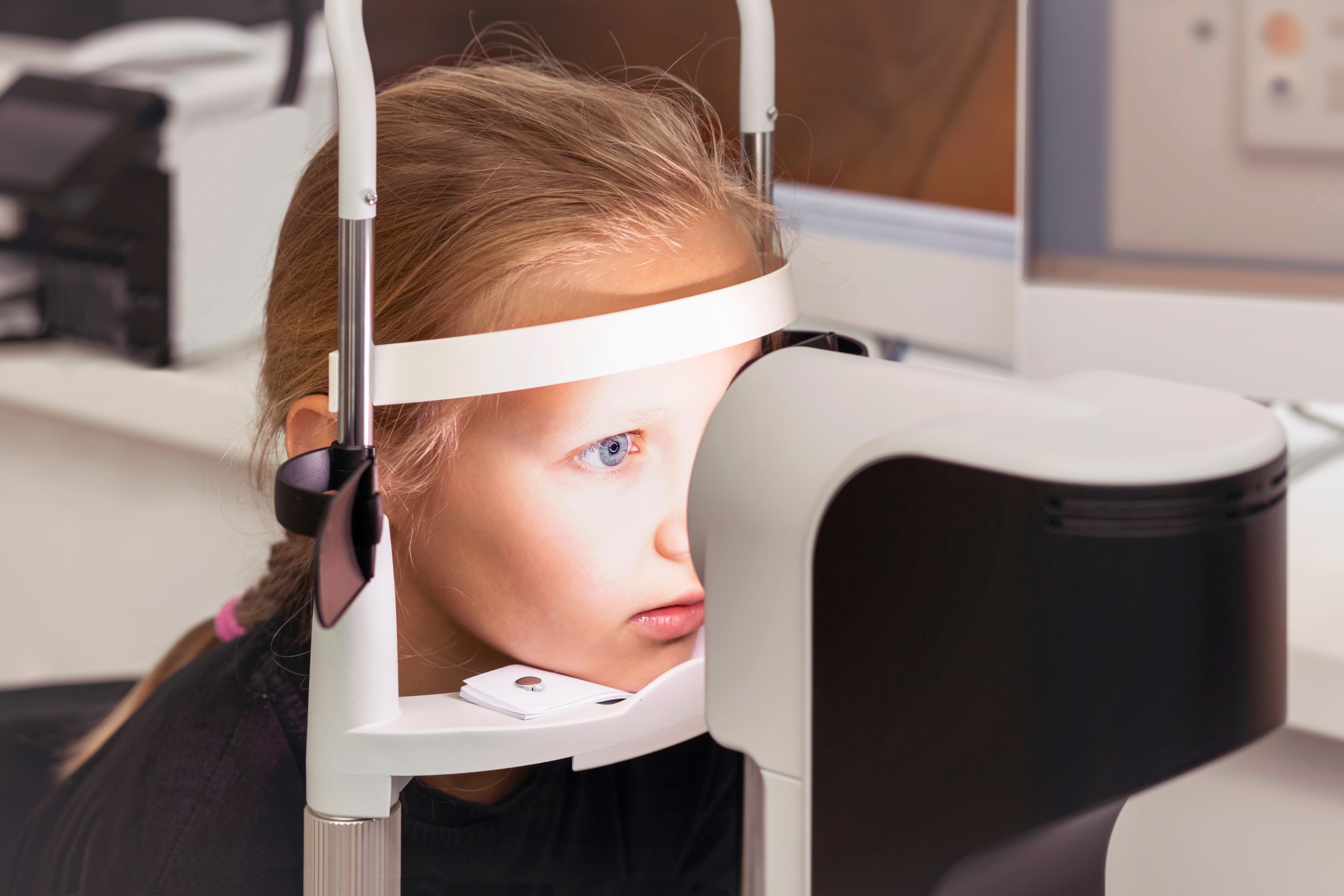
As families prepare for a new school year, vision should be part of the back-to-school checklist. A school vision screening may identify an obvious problem with distance vision, but it does not provide the same detailed evaluation as a comprehensive pediatric eye exam. At East Bay Vision Center Optometry, we examine how a child’s eyes see, work together, and support the visual demands of learning.
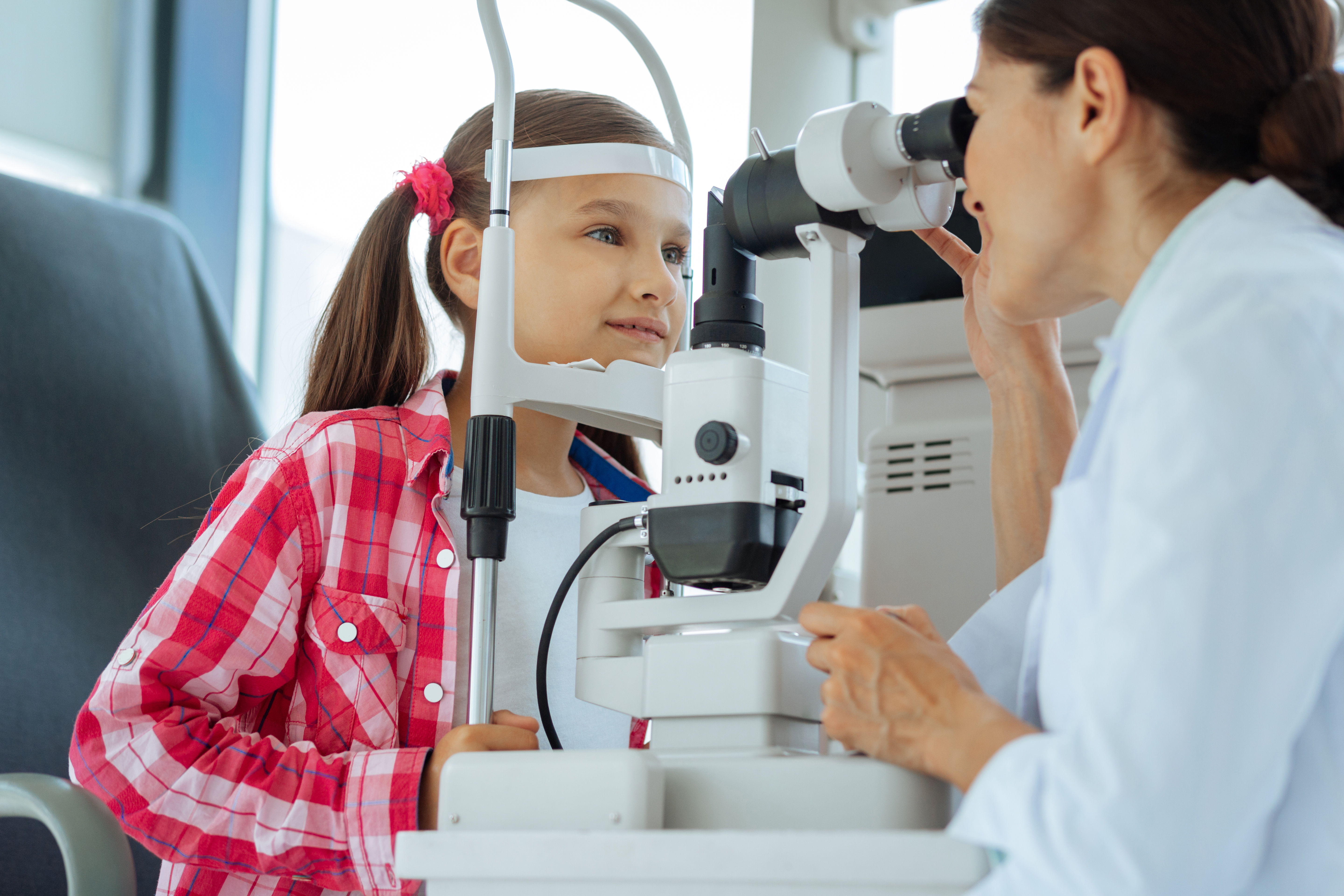
As the new school year approaches, many families focus on supplies, schedules, and routines. One important step that can be easy to overlook is your child’s vision. If your child is nearsighted, or myopic, clear eyesight is only part of the picture. Myopia management can help slow the progression of nearsightedness and support your child’s long-term eye health.
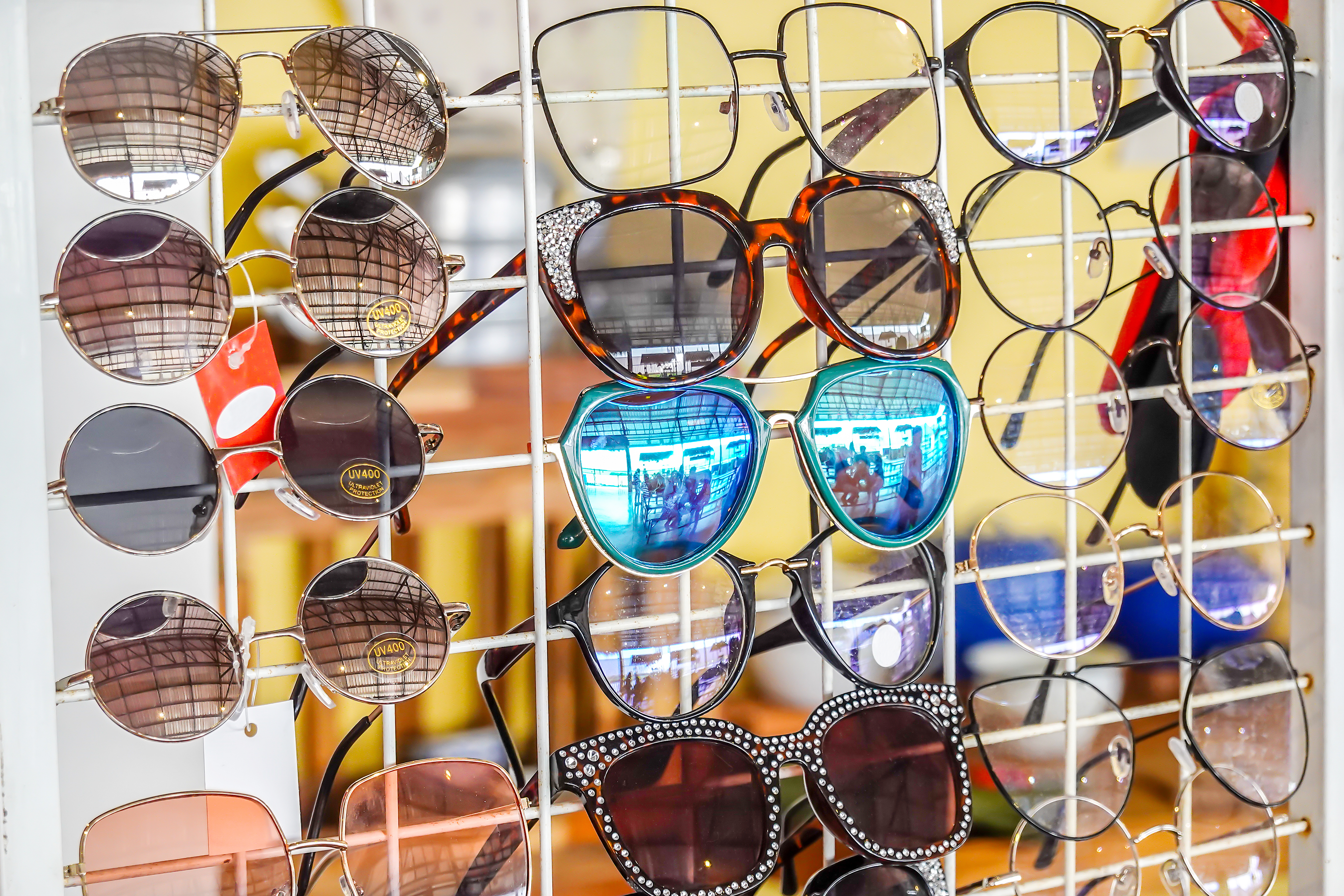
Sunglasses are more than a fashion accessory. They help protect your eyes from sunlight, glare, and harmful ultraviolet rays. But not every pair of sunglasses offers the same level of protection, and darker lenses do not always mean better UV coverage. Before you buy your next pair, it is important to know what to look for and why getting sunglasses from your optometry office can make a difference.

Screen time is part of daily life for many children, from schoolwork and reading to games, tablets, and phones. While screens do not directly cause every case of childhood myopia, long periods of close-up focus can contribute to eye strain and may play a role in myopia progression, especially when children spend less time outdoors.

Occasional eye dryness is common, but chronic dry eye symptoms are different. If you deal with burning, tearing, light sensitivity, or a gritty feeling on a regular basis, your dry eye may be tied to inflammation and blocked oil glands along the eyelids. In many cases, lasting relief starts with identifying the cause and choosing treatment that targets it directly.
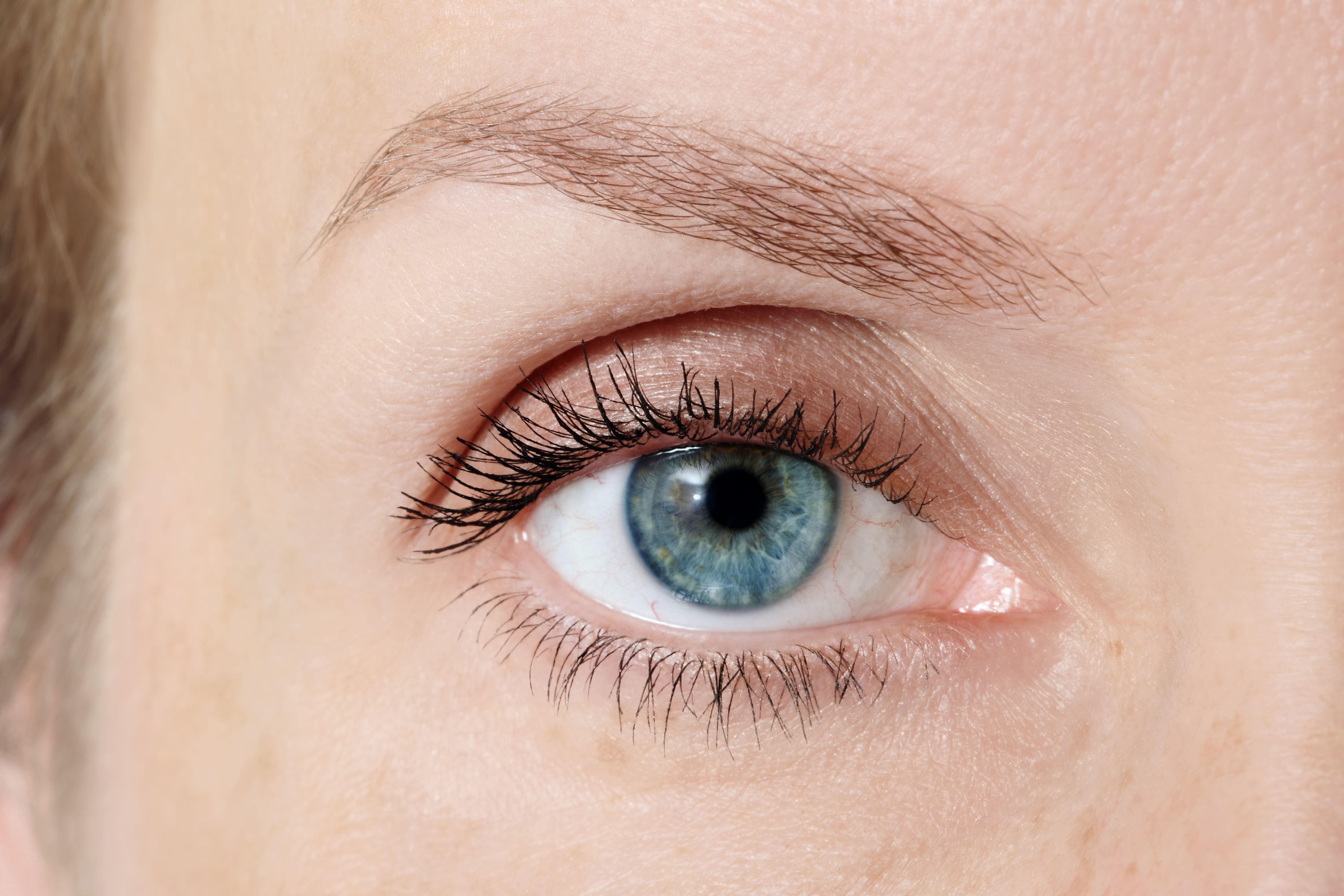
Healthy eyelids play an important role in long-term eye comfort. When the eyelid margins are not cleaned regularly, debris, bacteria, and oil buildup can collect around the lashes and glands. Over time, that buildup may contribute to irritation, inflammation, and dry eye symptoms. At East Bay Vision Center Optometry, we offer the NuLIDS PRO system as part of our dry eye and eyelid hygiene treatment options.
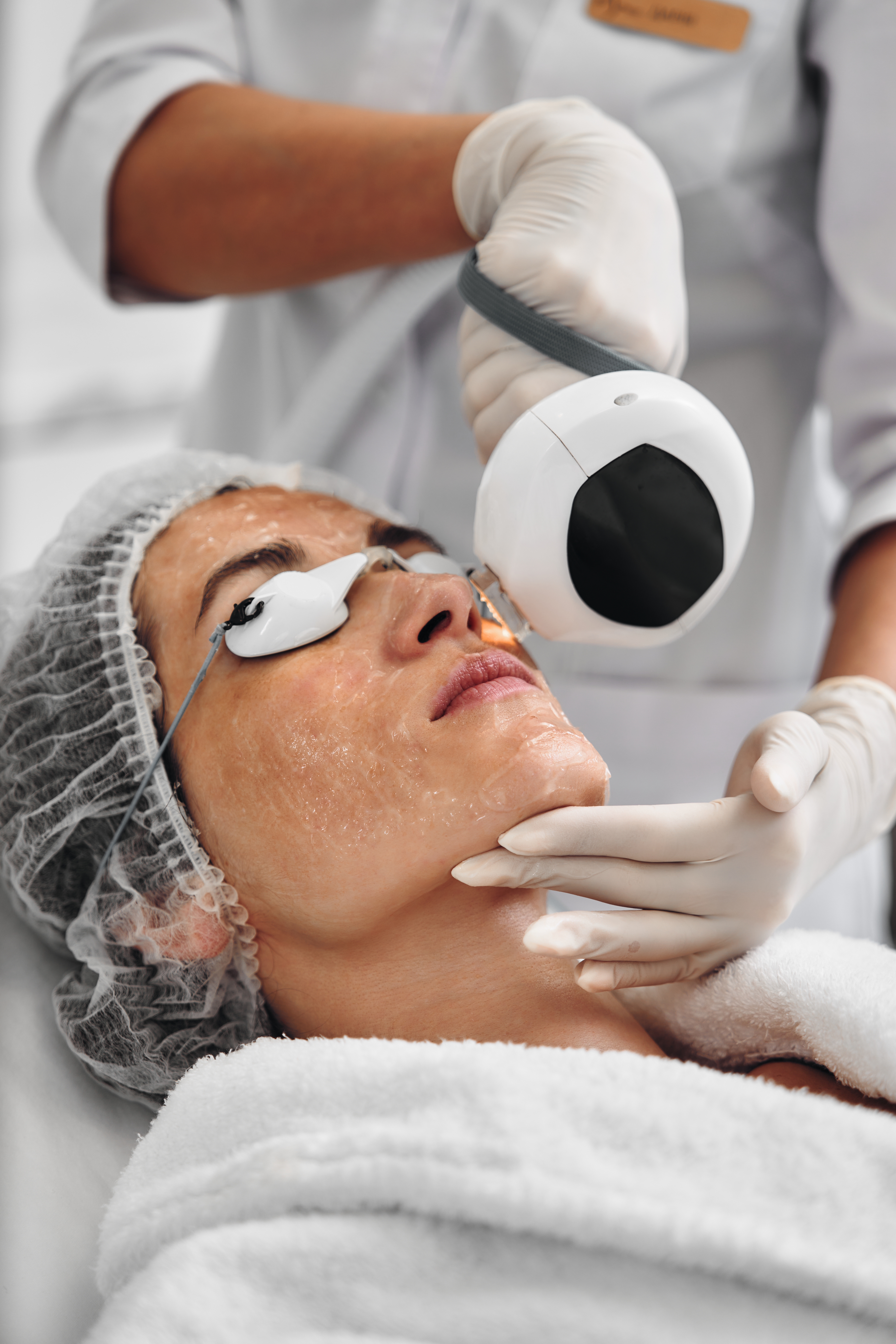
Dry eye is a common condition that can affect comfort, vision, and everyday activities. Many people deal with symptoms like burning, redness, irritation, or fluctuating vision without realizing that the problem often involves the health and function of the meibomian glands. Because dry eye can have different underlying causes, treatment should go beyond temporary symptom relief.

Myopia, also called nearsightedness, is becoming increasingly common in children. It is more than just needing stronger glasses each year. Children with myopia typically have blurry vision when looking at distant objects and need vision correction to see clearly at a distance. Progressive myopia raises the risk of serious eye conditions later in life, including retinal detachment, glaucoma, and myopic macular degeneration. The FDA has approved Essilor® Stellest™ lenses, marking a major milestone in protecting children’s long-term eye health. At East Bay Vision Center, we’re proud to offer innovative, evidence-based solutions that help slow myopia progression and support healthier vision for growing eyes.

“I can see well enough, so I probably don’t need an eye exam.” “Blurry vision is normal - I just need to rest my eyes.” “I passed a vision screening, so everything must be fine.” These are all things we hear every day at Eye See Vision Center. However, seeing “well enough” doesn’t always mean your eyes are functioning at their best. One common condition that often goes undiagnosed because symptoms are subtle or misunderstood is astigmatism. A comprehensive eye examination is the only way to accurately detect it and determine whether treatment is needed.


Oakland
(510) 268-1608
- Monday 9:30am - 5:30pm
- Tuesday 9:30am - 5:30pm
- Wednesday 9:30am - 5:30pm
- Thursday 9:30am - 5:30pm
- Friday 9:30am - 5:30pm
- Saturday 9:30am - 5:30pm
- Sunday Closed
Fremont
(510) 796-9600
(510) 796-9691
- Monday Closed
- Tuesday 10:00am - 6:00pm
- Wednesday 10:00am - 6:00pm
- Thursday 10:00am - 6:00pm
- Friday 10:00am - 6:00pm
- Saturday 10:00am - 6:00pm
- Sunday Closed
Pleasanton
(925) 462-6600
- Monday 10:00am - 5:30pm
- Tuesday 10:00am - 5:30pm
- Wednesday 10:00am - 5:30pm
- Thursday 10:00am - 5:30pm
- Friday 10:00am - 5:30pm
- Saturday 10:00am - 5:30pm
- Sunday Closed
© 2026 East Bay Vision Center Optometry, Inc. All rights Reserved - Accessibility Statement - Privacy Policy - Sitemap
Powered by
